
Not Just a Cap: Understanding the Full Purpose of a Dental Crown
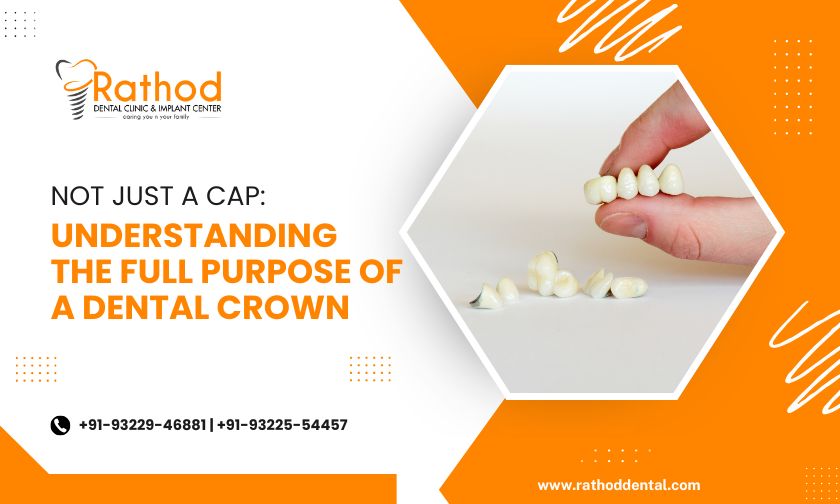
Let’s Talk About the “Helmet” Your Tooth Didn’t Know It Needed
Ever noticed how we put protective covers on phones, helmets on bikes, or cases on sunglasses, but somehow, when it comes to teeth, we hesitate?
A dental crown is kind of like that extra layer of protection, designed not just to look good but to keep your tooth going strong for years.
At Rathod Dental Clinic & Implant Center in Badlapur, we often meet people who are surprised at just how much one small crown can do. It’s not just “a cap”. It’s a reinforcement, a shield, and, in many cases, a savior for a tooth that's holding on.
Whether you’ve been recommended one or are just curious, let’s unpack what a dental crown really brings to the table. If you want to get a dental crown treatment in Badlapur, then your hunt ends here.
When Do You Really Need a Crown?
It’s not always about damage. Dental crowns serve multiple purposes, and understanding when they’re needed can help you make confident decisions. You might need a crown if:
- 1. Your tooth has a large cavity and not enough healthy structure left.
- 2. You've had a root canal (especially in back teeth).
- 3. There's a visible crack or fracture that could get worse.
- 4. You grind your teeth, and one has worn down.
- 5. You’re getting a dental bridge or implant and need a crown as support.
- 6. You want to improve the shape or color of a front tooth.
Crowns aren’t just the dentist’s default fix; they’re chosen for specific reasons when the tooth needs long-term support.
Benefits That Go Beyond Protection
A lot of people think dental crowns are just there to “cover things up.” But they actually do more than that:
- 1. Reinforce weak teeth – Especially after root canals or fractures.
- 2. Prevent further damage – This is like stopping cracks from turning into splits.
- 3. Improve function – You can chew confidently without worrying about breakage.
- 4. Boost appearance – Especially with ceramic or zirconia options that blend seamlessly.
- 5. Support nearby teeth – In cases where they anchor bridges or hold an alignment.
Pro Tip: A well-placed crown not only saves the tooth but also saves you from future discomfort, time, and dental work.
Dental Crowns vs. Fillings – What’s the Real Difference?
This is a common question. Why not just go for another filling?
| Filling | Crown | |
|---|---|---|
| 1 | Fills small to moderate cavities | Covers and protects the entire tooth |
| 2 | Works well when the tooth is mostly healthy | Best for weak, cracked, or treated teeth |
| 3 | Cheaper upfront | Longer-lasting and better protection |
| 4 | Can break down or leak over time | Durable and made to last 10+ years with care |
So, if your tooth already has multiple fillings or a history of issues, a crown is often the smarter choice.
Myths About Dental Crowns (That Need to Go!)
- 1. “Crowns are only for old people.” – Not true. Anyone can need a crown, even teens with cracked teeth or sports injuries.
- 2. “Crowns always fall off.” – A well-fitted crown (done right) doesn’t just fall off. And if it does loosen, it can usually be fixed quickly.
- 3. “They look fake or bulky.” – Not anymore! Materials like zirconia or all-ceramic crowns look just like natural teeth. Most people won’t even notice the difference.
- 4. “Once you get a crown, that tooth is good forever.” – Crowns are long-lasting, but they still need care, just like your natural teeth.
How to Take Care of Your Crown (So It Lasts)
Once you’ve had your dental crown treatment in Badlapur, it’s important to treat it with the same care you give to your natural teeth. Here's how:
- 1. Brush and floss daily – The crown itself doesn’t decay, but the tooth underneath still can.
- 2. Avoid chewing on hard stuff – Like pens, ice, or bones.
- 3. Don't skip check-ups – We keep an eye on your crown during regular visits.
- 4. Wear a nightguard if you grind – It protects your crown and all your teeth.
Friendly Tip: Crowns don’t need special products, just good habits and a bit of awareness.
Can Crowns Fail? And What Happens If They Do?
Like any dental work, crowns can wear down or loosen over time, especially if you bite on hard things or skip regular care.
Here’s what to look out for:
- 1. The crown feels loose or wobbly
- 2. Sensitivity returns in the crowned tooth
- 3. You feel a sharp edge or something rough while chewing
If you notice any of this, don’t panic; it doesn’t always mean replacement. Often, loose dental crown treatment is just a matter of re-cementing it or making small adjustments.
What About the Cost of Dental Crown Treatment?
The cost of dental crown treatment can vary depending on:
- 1. The type of crown material (ceramic, PFM, zirconia)
- 2. The condition of the tooth underneath
- 3. Whether other work is needed first (like a root canal or core build-up)
At Rathod Dental Clinic & Implant Center, we believe in clear communication, so we explain every step and what’s needed before we begin. If you're thinking about long-term protection and avoiding repeated fixes, a crown is a smart, worthwhile choice.
And if you’re looking specifically for dental crown treatment in Badlapur, you’re already in the right place.
FAQs
- 1. How long does a dental crown last? – A well-made crown can last anywhere from 10 to 15 years or even longer with good oral care. Its lifespan depends on the material used, your eating habits, and how well you maintain your oral hygiene. Regular brushing, flossing, and dental check-ups can go a long way in keeping your crown (and the tooth underneath) in great shape.
- 2. Can I eat normally with a dental crown? – Yes, once the crown is permanently placed and adjusted properly, you can eat just like you would with your natural teeth. In the first few days, it’s best to avoid hard or sticky foods until you're fully comfortable. After that, most people forget they even have a crown, it blends right in and functions like a regular tooth.
- 3. Does a crowned tooth still need care? – Absolutely. Even though the crown itself won’t decay, the tooth underneath and the surrounding gums still need attention. If plaque builds up around the edges, it can lead to gum problems or decay at the margin of the crown. So regular brushing, flossing, and check-ups are still important.
- 4. What happens if my crown feels loose or falls off? – A loose crown can happen due to wear, cement failure, or biting on something too hard. If it happens, avoid using that tooth and keep the crown safe; don’t try to fix it yourself. Visit your dentist promptly so they can check the fit and reattach or replace it if needed.
- 5. Is there a difference between crown materials? – Yes, and the best choice depends on where the crown is going. Ceramic or zirconia crowns are great for front teeth because they look natural, while metal or porcelain-fused-to-metal crowns are often used on back teeth for strength. Your dentist will guide you based on function, appearance, and longevity.
Wondering If You Need a Crown?
Crowns aren’t just for saving damaged teeth. They’re for protecting the strong ones, too. If you’re noticing discomfort while chewing, have an older filling, or simply want peace of mind about a cracked tooth, it might be time to consider dental crown treatment in Badlapur.
At Rathod Dental Clinic & Implant Center, Dr. Archana Rathod and our team take the time to explain every option clearly, with no rush, no pressure. We focus on lasting results and comfortable care that fits your real life.
Drop in or give us a call. We're right here when your teeth need a little extra support.
Let’s keep your smile strong together.